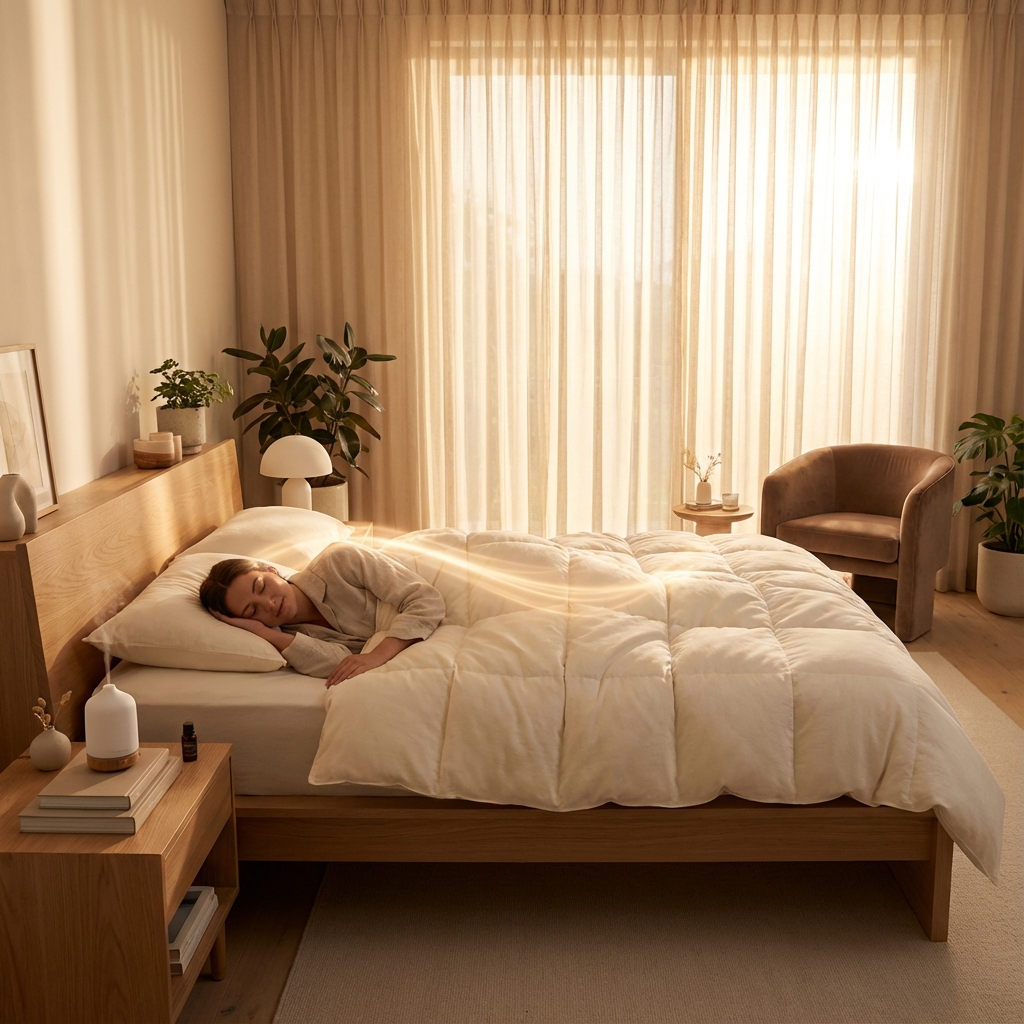
We often hear that sleep is important — but for women, it’s essential. Quality sleep isn’t just about feeling rested; it’s deeply connected to hormonal balance, fertility, mental health, and even skin health. In short: sleep is one of the most underrated forms of self-care.
How Sleep Affects Your Hormones
While you sleep, your body goes into repair mode — restoring tissues, balancing hormones, and resetting your nervous system. When sleep is disrupted or cut short, hormones like cortisol, insulin, estrogen, and progesterone can fall out of sync.
Here’s how:
-
Cortisol (the stress hormone): Poor sleep keeps cortisol levels high, leading to anxiety, mood swings, and irregular cycles.
-
Insulin: Lack of sleep can make your body more resistant to insulin, which affects blood sugar balance and cravings.
-
Estrogen & Progesterone: These key reproductive hormones rely on stable sleep patterns — irregular sleep can lead to PMS, fertility issues, or heavy cycles.
The Sleep-Hormone Connection
Many women notice that their sleep changes throughout the menstrual cycle.
-
In the follicular phase (after your period), energy tends to rise and sleep comes easily.
-
Around ovulation, body temperature increases slightly, which can cause restlessness.
-
During the luteal phase (before your period), dips in progesterone and mood changes can make it harder to fall or stay asleep.
Recognizing these shifts can help you plan ahead — for instance, winding down earlier or using calming herbal teas in your luteal phase.
The Benefits of Good Sleep for Women
When women get consistent, deep sleep, the benefits are powerful:
-
🌙 Balanced moods and emotions
-
✨ Improved skin and slower aging
-
💪 Stronger immune function
-
🧠 Sharper focus and memory
-
❤️ Regulated appetite and metabolism
-
🌸 Healthier menstrual cycles and fertility
How to Support Better Sleep Naturally
-
Create a nighttime ritual – Dim lights, avoid screens, and do something calming (like journaling or stretching).
-
Keep a regular sleep schedule – Going to bed and waking up at the same time strengthens your circadian rhythm.
-
Support melatonin production – Limit bright light exposure at night and get morning sunlight daily.
-
Balance blood sugar – Avoid heavy sugar or caffeine late in the day.
-
Mind your environment – Keep your room cool, dark, and quiet.
When to Seek Help
If sleep problems persist — such as insomnia, night sweats, or fatigue that doesn’t improve — it’s worth consulting a doctor or sleep specialist. Sometimes underlying issues like thyroid imbalance, perimenopause, or chronic stress may be involved.
Final Thought:
Sleep isn’t a luxury — it’s a hormone reset button. By prioritizing rest, women can improve their mood, balance their hormones, and support every aspect of their well-being. Treat your sleep like the sacred ritual it is — because, truly, it’s your superpower.